


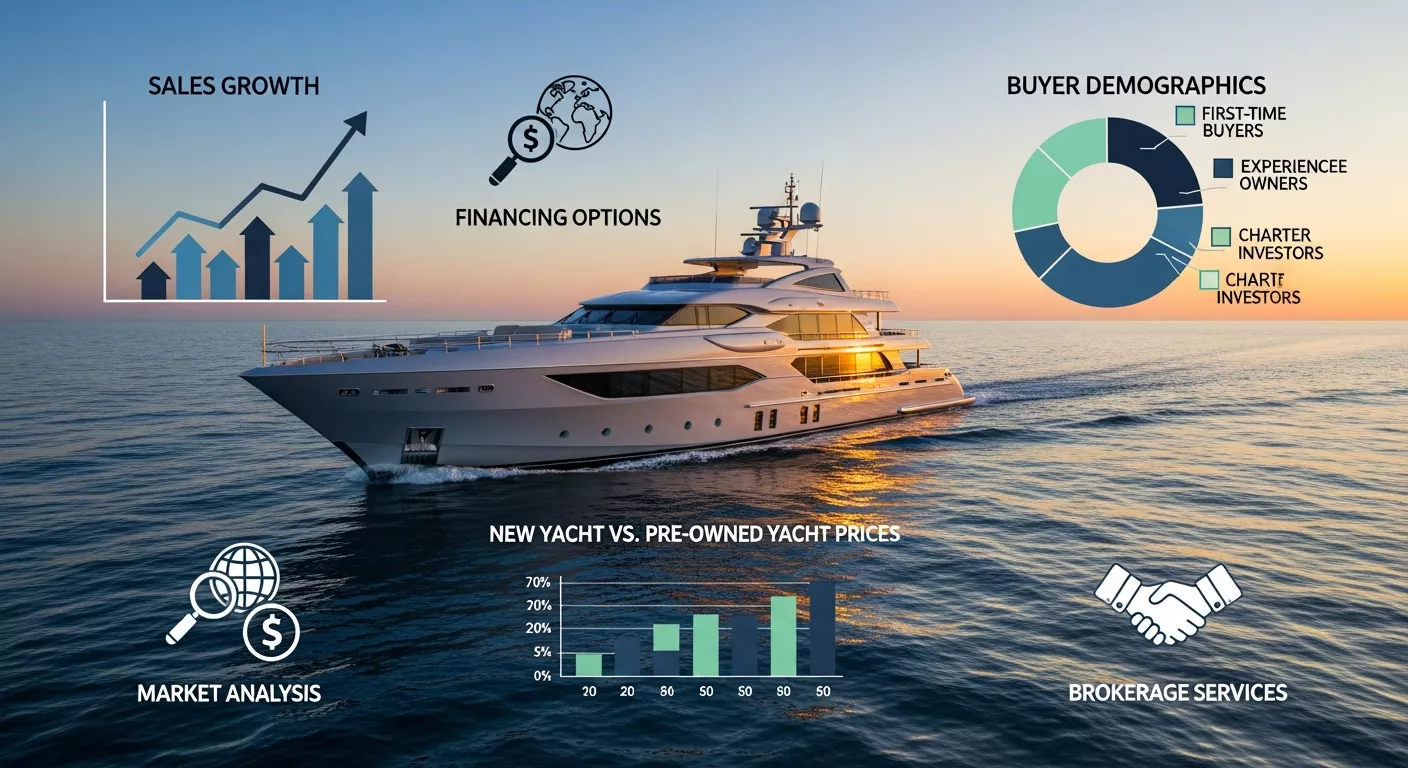
The global yacht market is evolving through sustainability, technology, and shifting buyer trends. From charter growth to innovative ownership models and infrastructure expansion, the industry is adapting to modern demands while maintaining luxury, flexibility, and long-term investment value.
The global yachting industry is experiencing a fascinating period of transformation. Record-breaking sales figures over the last few years have stabilized, giving way to a more nuanced market driven by technological innovation, shifting buyer demographics, and a renewed focus on sustainability. Buyers and sellers alike are recalibrating their expectations to align with these emerging realities.
Understanding the nuances of yacht market news is essential for anyone looking to charter, purchase, or build a vessel. Economic shifts and supply chain adjustments are changing how shipyards operate and how brokerages price pre-owned vessels. Keeping a finger on the pulse of the industry helps stakeholders make informed, strategic decisions.
This comprehensive update covers the latest developments across the global yacht market. We will explore regional demand, the balance between new builds and brokerage sales, and the technological advancements reshaping the future of luxury boating.
Current State of the Global Yacht Market
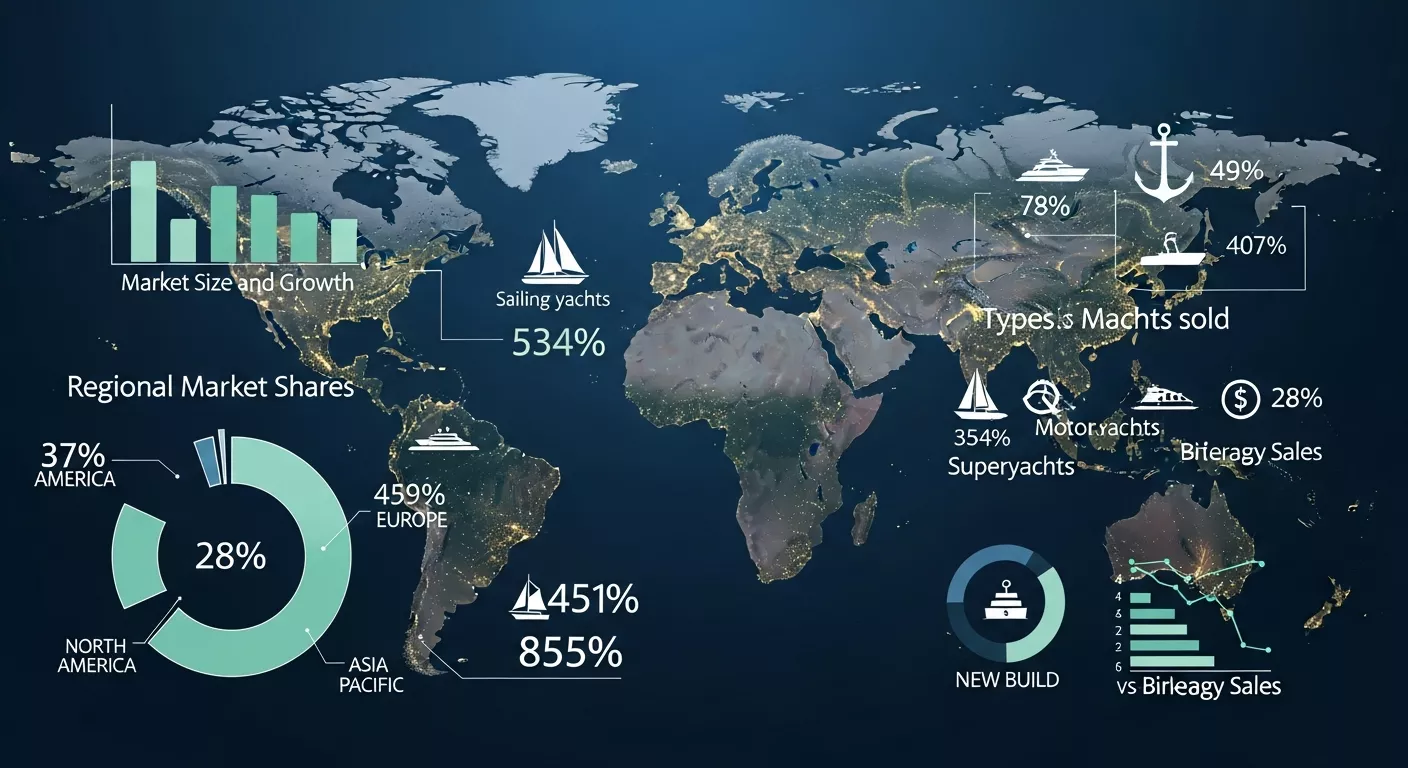
The marine industry has seen substantial fluctuations over the past half-decade. Following an unprecedented surge in demand, the market has entered a period of normalization. Shipyards report healthy order books, but the frantic buying pace has evolved into a more measured, calculated approach from consumers. Learn more about Yacht Market Trends.
Shifting Demographics Among Buyers
A significant trend in recent yacht market news is the changing age and background of the average yacht buyer. A younger generation of wealth is entering the market. These buyers are looking for vessels that serve as floating tech hubs and adventure platforms, rather than just traditional leisure spaces. They prioritize connectivity, wellness facilities, and the ability to explore remote destinations.
This demographic shift is pushing designers to rethink interior layouts. Formal dining rooms are frequently replaced by multi-functional entertainment spaces, expanded beach clubs, and dedicated storage for water toys and submersibles.
The Rise of Sustainable Yachting
Environmental responsibility is no longer a fringe concept in yachting. Buyers are increasingly requesting eco-friendly features, and shipyards are eager to deliver. The push for sustainability influences everything from the materials used in interior outfitting to the paint applied to the hull.
Shipbuilders are investing heavily in research and development to create vessels that leave a smaller ecological footprint. This includes the integration of solar panels, advanced waste management systems, and materials sourced through sustainable supply chains.
Regional Yacht Market Performance
Global yacht sales are heavily influenced by regional economic conditions and geopolitical stability. Different parts of the world are reacting to the current economic climate in distinct ways.
North American Demand
North America remains a powerhouse in the yachting sector. The United States continues to lead in both brokerage sales and new build commissions. Strong economic indicators and a deeply ingrained boating culture keep the demand for mid-size to large yachts robust. Florida, in particular, remains the epicenter of the American yachting scene, hosting major international boat shows that serve as key indicators of market health.
European Market Stability
Europe represents the heart of yacht manufacturing, with countries like Italy, Germany, and the Netherlands dominating the superyacht building sector. The European market remains stable, supported by legacy buyers and a strong charter market in the Mediterranean. Shipyards in this region continue to report multi-year backlogs for custom builds, highlighting the enduring appeal of European craftsmanship.
Emerging Markets in Asia-Pacific
The Asia-Pacific region is slowly emerging as a significant player in the global yacht market. Infrastructure development, including the construction of luxury marinas and service facilities, is making yacht ownership more accessible in countries like Australia, Singapore, and parts of Southeast Asia. While still a smaller segment compared to North America and Europe, the growth potential here is closely monitored by major brokerage houses.
Brokerage vs. New Builds
The decision between purchasing a pre-owned yacht and commissioning a new build is a central theme in current market discussions. Each avenue offers distinct advantages and challenges based on current supply chain realities.
The Boom in Custom New Builds
Custom new builds appeal to buyers who want a vessel tailored to their exact specifications. Shipyards are seeing strong demand for vessels over 40 meters. However, buyers must be prepared for extended delivery timelines. Supply chain adjustments and high demand mean that a custom yacht ordered today may not see the water for three to five years.
Pre-Owned Market Dynamics
For buyers unwilling to wait years for a new build, the brokerage market offers immediate gratification. Inventory levels on the pre-owned market have begun to recover after severe shortages. Pricing has stabilized, offering buyers more room for negotiation compared to previous years. Well-maintained yachts with recent refits are particularly highly sought after, often commanding premium prices and selling quickly.
Technological Advancements on the Water
Technology is advancing at a rapid pace, fundamentally altering how yachts are operated and enjoyed. These innovations are driving a significant portion of new sales and refit projects.
Hybrid Propulsion Systems
The transition away from traditional diesel propulsion is gaining momentum. Hybrid systems, which combine diesel engines with electric motors and large battery banks, are becoming standard on many new builds. These systems offer silent cruising, reduced emissions, and improved fuel efficiency. Some builders are even exploring hydrogen fuel cells as the ultimate zero-emission solution for the future.
Smart Yacht Technology
Vessels are becoming increasingly connected. Smart yacht technology allows owners and crew to monitor and control nearly every aspect of the boat from a tablet or smartphone. From climate control and entertainment systems to engine diagnostics and security cameras, integrated digital platforms provide unprecedented convenience and safety.
Economic Factors Impacting Yacht Sales
Macroeconomic factors play a crucial role in shaping the yacht market news. Interest rates, inflation, and currency fluctuations all impact the purchasing power of potential buyers.
While ultra-high-net-worth individuals are somewhat insulated from minor economic shifts, the cost of financing and operating a yacht has increased. Maintenance, crew salaries, insurance, and dockage fees are rising, requiring buyers to carefully calculate the long-term cost of ownership. Despite these rising costs, the intrinsic value of yachting—privacy, freedom, and tailored luxury—continues to drive strong market participation.
Yacht Charter Market Evolution
The yacht charter sector is experiencing steady growth as more individuals seek luxury experiences without committing to ownership. Chartering offers flexibility, allowing clients to explore different destinations and vessel types before making a purchase decision. High-end travellers increasingly favour personalised itineraries, wellness-focused onboard services, and unique adventure experiences such as diving expeditions and remote island exploration.
Charter companies are also embracing digital transformation. Online booking platforms, virtual yacht tours, and AI-driven recommendations are simplifying the selection process. Sustainability is becoming a key selling point, with eco-conscious travellers opting for yachts equipped with hybrid propulsion and green technologies.
Additionally, the rise of experiential travel has pushed charter operators to collaborate with local guides and luxury service providers. This trend enhances the overall guest experience, making yacht charters more immersive and culturally rich than ever before.
Yacht Financing and Ownership Models
Financing options and ownership models are evolving to meet the needs of modern buyers. Traditional full ownership is no longer the only path, as fractional ownership and yacht-sharing programs gain popularity. These models allow multiple stakeholders to share usage and operational costs, significantly lowering the financial barrier to entry.
Marine financing institutions are offering more tailored loan structures, accommodating fluctuating interest rates and diverse buyer profiles. Leasing options are also emerging, providing flexibility similar to automotive leasing. This is particularly attractive for younger buyers who prefer liquidity over long-term asset commitment.
Additionally, professional yacht management services are becoming essential. These companies handle maintenance, crew hiring, compliance, and charter operations, allowing owners to enjoy a hassle-free experience. As costs associated with ownership rise, efficient financial planning and management strategies are crucial to sustaining long-term value.
Luxury Marina and Infrastructure Development
Global investment in marina infrastructure is reshaping the accessibility of yachting. Emerging markets are prioritizing the development of world-class marinas equipped with modern amenities, including high-capacity berths, advanced fueling systems, and premium hospitality services.
These developments are not limited to traditional yachting hubs. Regions in Southeast Asia and the Middle East are rapidly expanding their marina networks to attract international yacht owners and charter clients. Smart marina technology is also on the rise, offering automated docking assistance, digital reservation systems, and enhanced security features.
Sustainability plays a major role in new marina projects. Developers are integrating eco-friendly designs, such as waste treatment facilities and renewable energy systems, to minimize environmental impact. Improved infrastructure not only enhances the ownership experience but also drives regional economic growth through tourism and related industries.
Yacht Crew and Talent Market Trends
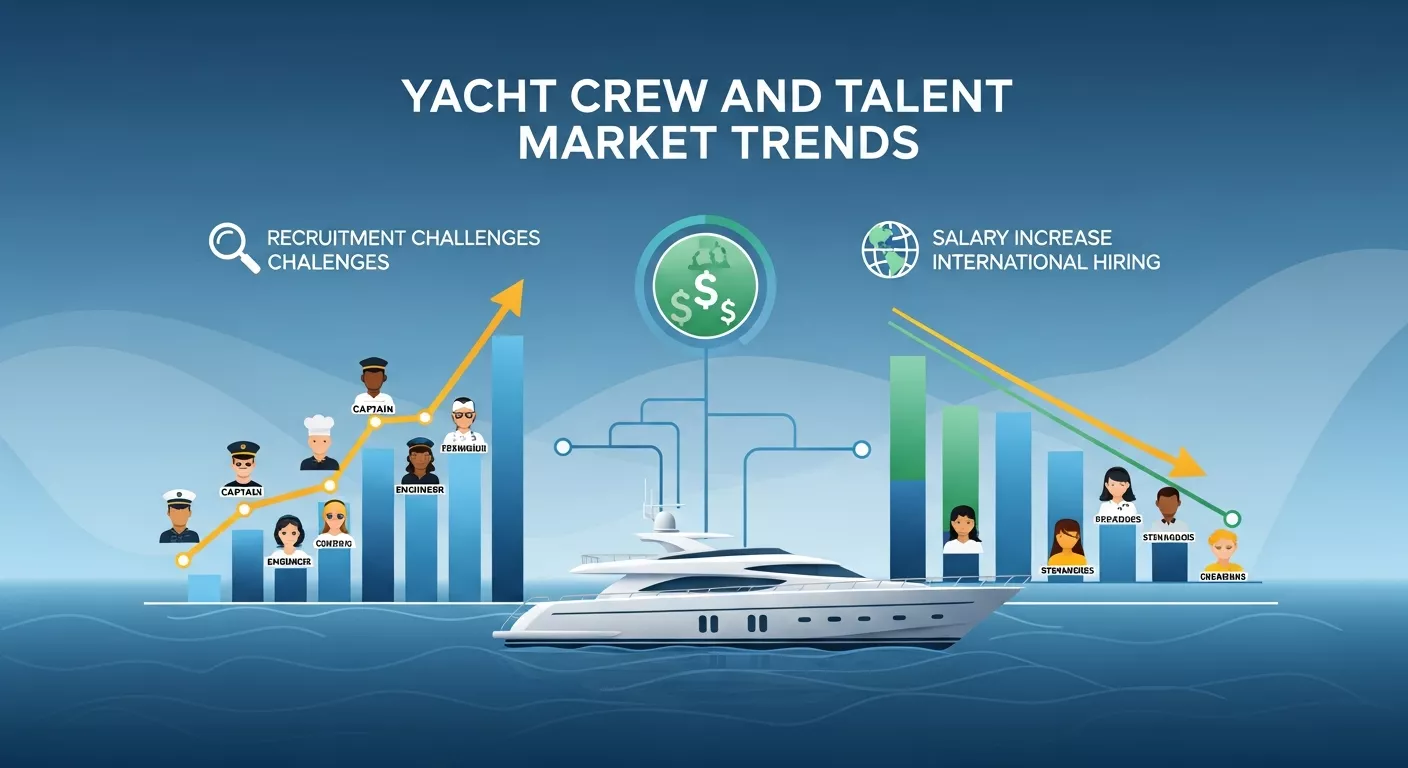
The demand for skilled yacht crew is increasing alongside the growth of the global fleet. Owners are seeking highly trained professionals who can deliver exceptional service while managing advanced onboard technologies. This includes captains with expertise in hybrid systems and engineers skilled in modern propulsion technologies.
Crew retention has become a major challenge, prompting employers to offer competitive salaries, improved working conditions, and structured career progression paths. Mental well-being and work-life balance are gaining attention, especially on long voyages.
Training institutions are adapting their programs to include sustainability practices, digital systems management, and guest experience enhancement. Certification requirements are becoming more stringent, ensuring higher standards across the industry.
As yachts become more complex, the role of crew members is evolving from traditional service providers to multifaceted professionals who contribute to safety, efficiency, and luxury experiences.
Frequently Asked Questions About the Yacht Market
1. Is now a good time to buy a yacht?
Yes, the current market conditions favour buyers more than the past few years. After the surge in demand, pricing has stabilized, and inventory—especially in the brokerage segment—has improved. This creates better negotiation opportunities, including favorable terms on price, refits, and delivery timelines. Buyers also benefit from less competition, allowing more time for due diligence, inspections, and sea trials. However, for new builds, shipyards still maintain strong order books, so early planning remains essential.
2. What size yacht is most in demand?
Yachts between 30 and 60 meters dominate the market because they strike a balance between luxury and practicality. These vessels are large enough to include premium amenities like beach clubs, pools, and multiple decks, yet still manageable in terms of crew size and operating costs. They are also highly versatile, making them suitable for both private use and charter programs. This size range offers strong resale value due to consistent demand across global markets.
3. How long does it take to build a custom yacht?
A fully custom yacht typically takes between 3 to 5 years from concept to delivery. The timeline depends on several factors, including design complexity, shipyard workload, engineering requirements, and supply chain conditions. The process includes concept design, naval architecture, interior development, construction, and sea trials. Delays can occur due to material sourcing or regulatory approvals, so working with experienced shipyards and project managers is crucial to keeping timelines on track.
4. Are eco-friendly yachts more expensive?
Eco-friendly yachts generally require a higher upfront investment due to advanced technologies such as hybrid propulsion systems, battery storage, and sustainable materials. However, these yachts often provide long-term financial benefits through reduced fuel consumption and lower maintenance costs. Additionally, stricter environmental regulations in many cruising regions make green technology increasingly valuable. Over time, eco-conscious yachts may also retain stronger resale value as sustainability becomes a standard expectation in the industry.
5. What is the average annual maintenance cost?
Annual maintenance typically ranges around 8–12% of the yacht’s total value. This includes crew salaries, routine servicing, insurance, dockage fees, fuel, and unexpected repairs. Larger yachts or those with complex systems may incur higher costs. Regular maintenance is essential to preserve performance, safety, and resale value. Owners often work with professional yacht management companies to streamline operations and ensure compliance with maritime regulations.
6. Is chartering better than owning?
The choice depends on lifestyle and financial priorities. Chartering is ideal for those who want flexibility without long-term commitments. It allows access to different yacht types and destinations without the burden of maintenance or crew management. Ownership, on the other hand, provides full control, personalization, and the ability to use the yacht at any time. Some owners offset costs by placing their yachts in charter programs, combining personal use with revenue generation.
7. What is fractional yacht ownership?
Fractional ownership allows multiple individuals to share a yacht, dividing both costs and usage time. This model significantly reduces the financial burden of purchase, maintenance, and operation. Each owner typically receives a set number of usage weeks per year and benefits from professional management services. It is an attractive option for buyers who want access to luxury yachting without the responsibilities of full ownership, though scheduling and customization options may be more limited.
8. How is technology changing yachting?
Technology is transforming yachts into highly advanced, connected environments. Smart systems allow owners and crew to control lighting, climate, navigation, and security from centralized digital platforms. Hybrid propulsion systems are reducing fuel consumption and emissions while enabling quieter cruising. Advanced navigation tools and automation improve safety and operational efficiency. Additionally, onboard connectivity ensures seamless internet access, making yachts suitable for remote work and extended stays.
9. Which regions are growing fastest?
The Asia-Pacific region and the Middle East are currently the fastest-growing yacht markets. Investments in marina infrastructure, luxury tourism, and regulatory support are making these regions more attractive to yacht owners and charter clients. Countries like the UAE, Singapore, and Thailand are emerging as key hubs. These markets offer untapped potential, new cruising destinations, and increasing demand from high-net-worth individuals.
10. Do yachts hold their value?
Yachts typically depreciate over time, especially in the first few years after launch. However, depreciation can be managed through proper maintenance, timely refits, and upgrades. Yachts from reputable builders or with unique designs often retain value better. Market demand, condition, and equipment also influence resale price. Owners who invest in upkeep and modernization can significantly improve their yacht’s long-term value and appeal in the brokerage market.
Navigating Your Next Yacht Purchase
The yacht market is a complex, ever-evolving ecosystem. While the pace of sales has normalized, the industry is pushing boundaries in design, sustainability, and technology. Whether you are considering a rapid acquisition on the brokerage market or embarking on a multi-year custom build journey, staying informed on current market dynamics is your greatest asset.
To make the most of your investment, partner with experienced brokers and maritime attorneys who understand the intricacies of global yacht transactions. By keeping abreast of market trends and aligning your purchase strategy with the latest industry developments, you can ensure your time on the water is both luxurious and forward-thinking.
