


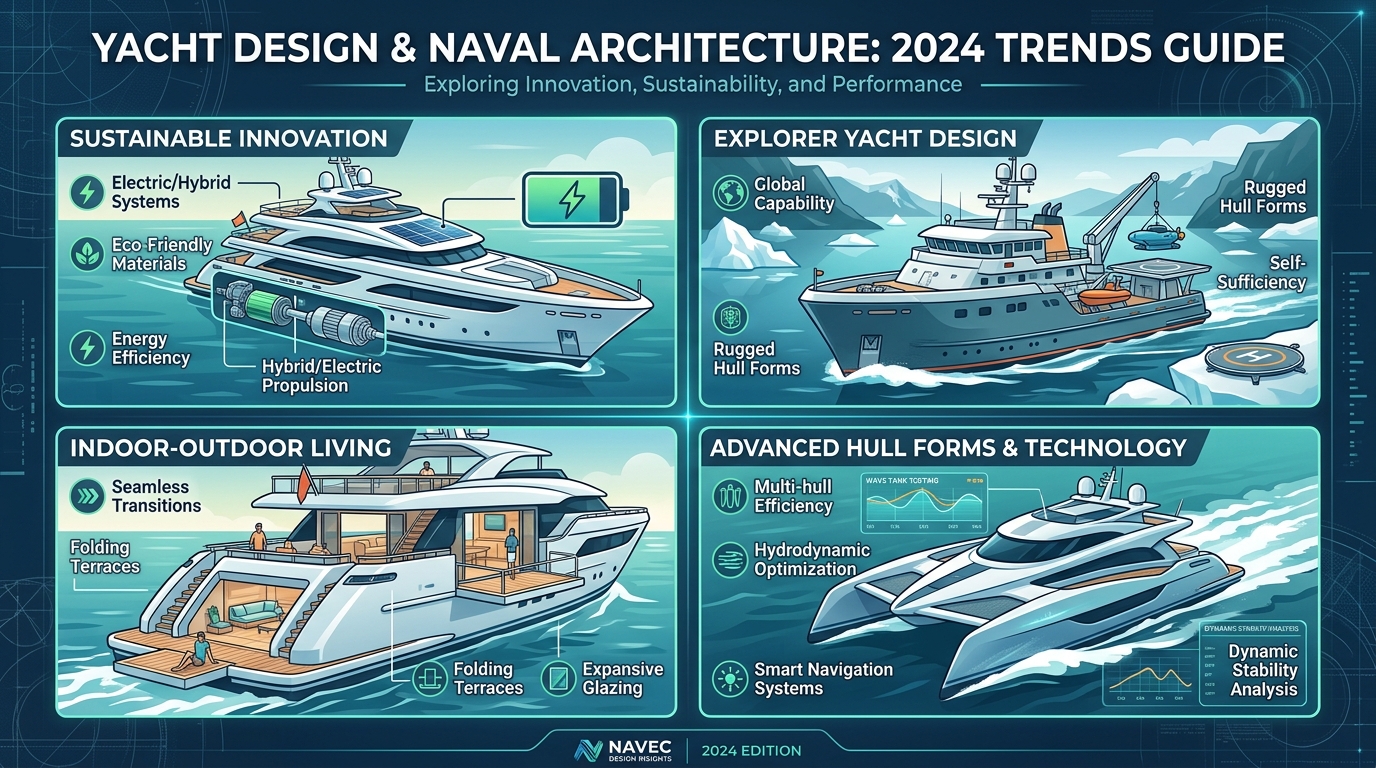
Yacht Design is moving toward cleaner propulsion, smarter systems, lighter materials, and more personal interiors. This guide explains the key trends shaping modern yachts, from efficiency and sustainability to luxury, comfort, and technology.
The marine industry is changing quickly, and yacht design sits at the center of that change. Owners no longer want a vessel that only looks impressive at the dock. They want a yacht that performs smoothly, saves fuel, supports long-term comfort, and reflects a clear lifestyle vision. That shift has made naval architecture more strategic than ever.
A modern yacht must balance beauty, safety, and efficiency. It must also adapt to new expectations around sustainability, digital control, and flexible living spaces. In other words, yacht design is no longer a one-dimensional luxury exercise. It is a complex process that connects engineering, aesthetics, and human behaviour.
The Changing Direction of the Industry
Yacht Design is no longer defined only by size, speed, or decoration. The market has become more thoughtful, and buyers are asking better questions. They want to know how far a yacht can travel, how efficiently it uses fuel, how much maintenance it needs, and how comfortable it feels in real conditions.
That change has pushed builders to think about the full ownership experience. A yacht should not just look luxurious in photographs. It should be practical to operate, comfortable to live in, and easy to adapt to different cruising styles. Yacht Design now has to answer all of these needs at once.
Why modern buyers think differently
Today’s buyers are more informed and more selective. They compare fuel efficiency, material quality, layout flexibility, and onboard technology before making a decision. They also care more about environmental impact than many previous generations of owners.
As a result, Yacht Design has become more transparent and more user-focused. Every choice has to support performance, comfort, or long-term value.
Sustainability as a Core Design Principle
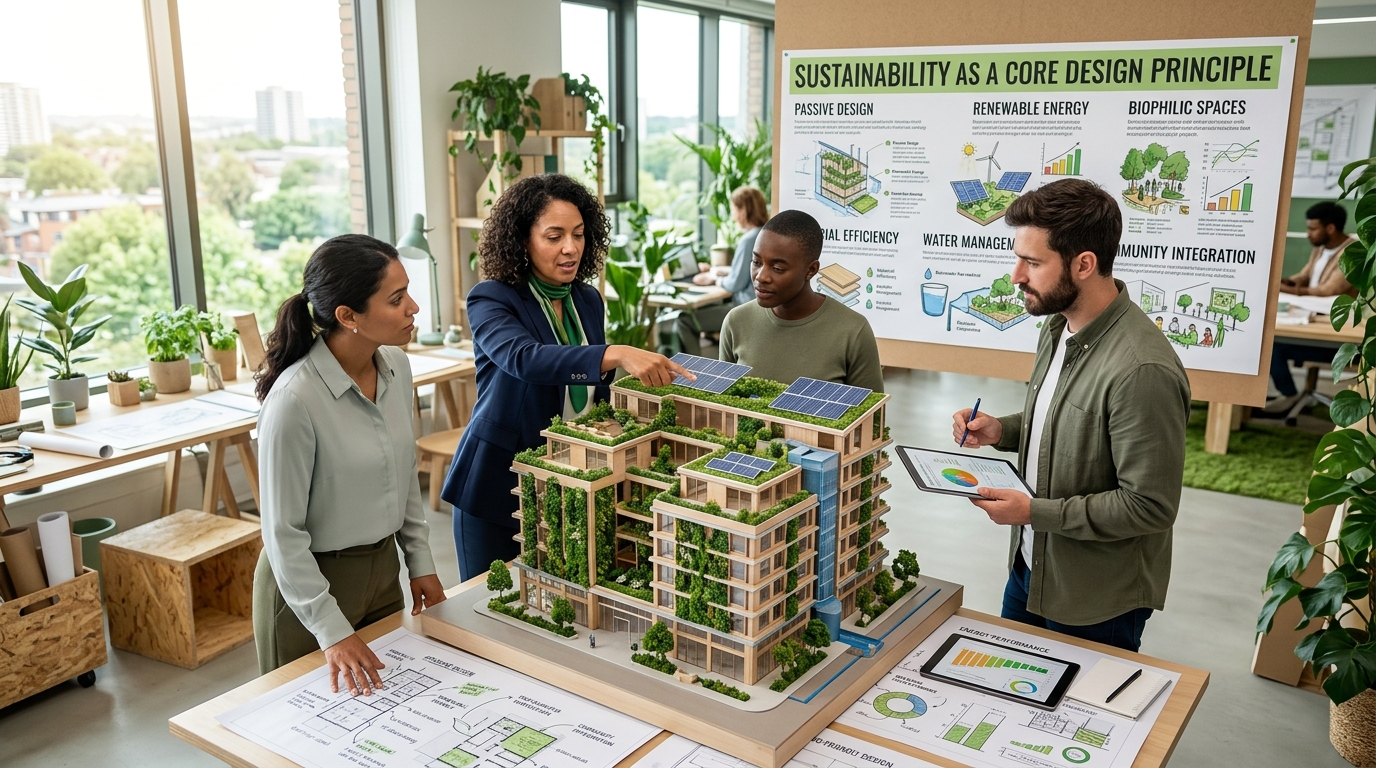
One of the strongest trends influencing Yacht Design is sustainability. Cleaner propulsion, lower fuel consumption, and more responsible material choices are becoming central to the conversation. This is not just a marketing trend. It is a practical response to rising operating costs, environmental pressure, and regulatory change.
Hybrid systems are increasingly common in larger vessels, while electric propulsion is growing in smaller and more specialized builds. Solar support, battery storage, and energy management systems are also helping reduce dependence on traditional fuel sources. Even when a yacht cannot run fully on electric power, smarter systems can still make a major difference.
Material selection is also becoming more thoughtful. Recyclable composites, improved insulation, and lower-impact finishes are showing up more often in modern Yacht Design. Owners want luxury, but they also want to feel that their vessel aligns with future expectations.
What sustainability looks like on board
Sustainability does not always mean dramatic visual changes. Often, it appears in invisible but important decisions. Better hull efficiency reduces drag. Improved insulation lowers energy demand. More efficient lighting and climate systems cut power use. Small improvements across many systems can create a substantial result.
This is why sustainable Yacht Design is becoming a sign of maturity, not just innovation.
Hull Innovation and Hydrodynamic Efficiency
The hull is one of the most important parts of any yacht. It determines how the vessel moves through water, how stable it feels, how efficiently it uses power, and how comfortable passengers feel at sea. For that reason, hull development remains a major focus in Yacht Design.
Naval architects now use advanced simulation tools to refine hull shapes before construction begins. These tools allow designers to test resistance, flow, and performance under different conditions. That makes it easier to improve efficiency without relying only on trial and error.
Multi-hull concepts are also gaining interest in certain segments because they can offer stability and space advantages. Meanwhile, traditional displacement and semi-displacement forms continue to evolve for longer trips and smoother cruising.
The engineering goal behind the shape
A good hull must do more than move forward. It must reduce drag, control motion, and support efficient propulsion. It also has to work in a wide range of sea conditions. Yacht Design becomes far more effective when hydrodynamics are treated as a foundation rather than an afterthought.
The result is a vessel that feels more stable, burns less energy, and gives passengers a calmer experience overall.
Smart Systems and Digital Control
Technology has changed expectations across the marine world. Modern Yacht Design increasingly includes integrated digital systems that make operation simpler and safer. Owners want lighting, climate, security, navigation, and entertainment to work together with minimal effort.
This is where automation becomes valuable. Docking support, route planning, system monitoring, and predictive maintenance tools can reduce stress for both owners and crew. These features also improve reliability by helping teams identify issues before they become serious problems.
Remote monitoring has become especially attractive. Many owners now expect to check vessel status through a phone or tablet. That convenience is now part of the luxury experience. Yacht Design must therefore think beyond traditional mechanical systems and include digital usability from the start.
Why smart systems matter to owners
A smart yacht feels easier to live with. Lights can respond automatically. Climate controls can adjust to occupancy. Safety systems can send alerts. Entertainment can be managed seamlessly. These details may seem small, but together they create a much more refined onboard experience.
In modern Yacht Design, ease of use is part of prestige.
Lightweight Materials and Structural Progress
Material innovation is another major force shaping yacht development. Lighter materials can improve speed, reduce fuel consumption, and support better range. They can also make it easier to create vessels that feel strong without becoming overly heavy.
Carbon fiber composites are widely admired for their strength-to-weight benefits. Advanced aluminum alloys remain important for durability and performance. Fiberglass solutions continue to improve through better production methods and hybrid construction techniques. Each option gives architects different advantages depending on the yacht’s purpose.
The importance of this trend is simple: weight affects everything. A lighter vessel needs less energy to move. It can respond more efficiently to propulsion systems and often delivers a smoother overall experience. Yacht Design benefits directly when structural choices are carefully matched to performance goals.
Strength should not reduce comfort
Using advanced materials does not mean sacrificing comfort. In many cases, better materials improve noise control, structural integrity, and long-term reliability. The goal is to combine elegance with practical resilience.
That balance is one of the most difficult and valuable achievements in Yacht Design.
Interior Layouts Are Becoming More Human-Centered
Modern yacht interiors are moving away from rigid formality and toward flexible living. Owners want spaces that support relaxation, entertainment, privacy, and wellness. The interior is no longer just decoration. It is the heart of the onboard experience.
Many current layouts use open spaces, adaptable rooms, and better natural light. A room may serve one function during the day and another at night. Wellness areas, gyms, quiet lounges, and spa-inspired spaces are becoming common in premium builds. This reflects a broader shift in Yacht Design toward emotional comfort and personal expression.
People want to feel at home on the water. They want spaces that reduce stress and support daily life. That is why interior planning has become such an important part of luxury yacht development.
Details that make the interior feel right
Lighting, acoustics, flow, and material touch all matter. A room can look beautiful and still feel wrong if it is noisy, dark, or difficult to move through. Good Yacht Design makes the interior intuitive.
That means the yacht should support movement, privacy, and social interaction without creating friction. When that happens, the vessel feels calm, polished, and effortless.
Expedition Yachts and Long-Range Capability
A growing segment of the market wants yachts that can travel farther and handle more demanding conditions. This has led to a stronger interest in expedition-style design. These vessels are built for freedom, exploration, and resilience.
Expedition yachts often include reinforced hulls, larger fuel reserves, expanded storage, and systems that support extended time away from major ports. Some are designed for colder environments or rougher seas, while others focus on global cruising with strong autonomy. yacht design in this segment must combine toughness with luxury.
This trend reflects a new kind of ownership mindset. Many buyers want to explore remote places without giving up comfort or reliability. That demand is pushing designers to think more broadly about range, redundancy, and onboard independence.
Why long-range use changes everything
Once a yacht is intended for extended travel, every system becomes more important. Water management, navigation, backup power, and maintenance planning all need extra attention. Yacht Design must anticipate those needs early so the vessel can remain dependable in different conditions.
That makes expedition design one of the most technically demanding and exciting areas in the field.
Digital Twins and Virtual Testing
Digital twin technology is becoming a serious asset in yacht development. A digital twin is a virtual version of the yacht that can be used to simulate behavior, test systems, and improve decisions before construction is complete. That gives designers a far better understanding of how the real vessel may perform.
This approach helps identify structural concerns, operational inefficiencies, and system conflicts early in the process. It can also support predictive maintenance after delivery. Instead of waiting for problems to appear, teams can plan using real data and models.
The value for Yacht Design is substantial. Digital twins reduce risk, improve coordination, and help builders make smarter choices. They also support a more accurate handoff from design to operation.
A better way to reduce surprises
Design mistakes are expensive in yacht construction. Virtual testing helps reduce those surprises. It gives teams more confidence and gives owners a clearer picture of what to expect.
That is one reason digital twin methods are becoming a serious standard rather than a niche innovation in Yacht Design.
Comfort Engineering and Ride Quality
A yacht that looks beautiful but feels uncomfortable will not satisfy modern buyers. That is why comfort engineering is now one of the most important areas of focus. Motion control, sound management, insulation, and climate stability all shape how people experience time at sea.
Stabilization systems help reduce rolling and pitching. Vibration isolation lowers mechanical disturbance. Better acoustic planning keeps the interior quieter. These systems matter because they influence how tired, relaxed, or refreshed passengers feel after a journey.
Comfort is not only physical. It is also psychological. A calm, quiet environment supports better rest and a stronger sense of control. yacht design must therefore treat comfort as a core performance goal rather than a decorative feature.
The emotional value of a smoother voyage
When a yacht rides well, the experience becomes more enjoyable and more memorable. Guests can talk comfortably, sleep better, and spend more time appreciating the journey itself. That emotional effect is one of the strongest arguments for investing in high-quality Yacht Design.
The Role of Luxury Yacht Design in the Market
Luxury remains a central part of the marine industry, but the meaning of luxury has changed. Buyers are moving away from pure display and toward thoughtful customization. They want materials, layouts, and details that reflect taste rather than excess.
Luxury yacht design now often uses a quieter language. Clean lines, natural finishes, concealed technology, and highly personalized interiors are becoming more common. Owners want something unique, but they also want it to feel tasteful and functional. This creates a new challenge for Yacht Design teams: how to make a vessel feel exceptional without making it feel overloaded.
Craftsmanship still matters greatly. The quality of joinery, finishing, lighting, and layout flow all influence the final impression. That is why luxury Yacht Design remains a highly specialized discipline.
Why restrained luxury feels stronger
A carefully composed interior often feels more memorable than one packed with features. When the materials, proportions, and details all work together, the yacht feels sophisticated. That is the direction modern luxury is moving in.
How Buyers Evaluate These Trends

Buyers do not evaluate yacht trends in isolation. They look at how each trend affects ownership, operation, and experience. Sustainability matters because it affects cost and image. Hull efficiency matters because it affects range and comfort. Smart systems matter because they simplify use. Interior personalization matters because it shapes how the yacht feels every day.
This is why Yacht Design now has to communicate value in practical terms. A beautiful vessel still matters, but it must also make sense from an engineering and lifestyle perspective.
The decision-making logic behind a purchase
A buyer may ask: Will this yacht suit my travel plans? Can it handle the waters I want to visit? Will it be easy to operate? Is the interior flexible enough for guests and family? Yacht Design must answer those questions clearly.
That shift has made design strategy more important than ever.
Comparison Table of Major Trend Areas
| Trend Area | Main Benefit | Design Impact | Buyer Value |
|---|---|---|---|
| Sustainability | Lower environmental impact | Cleaner propulsion and materials | Lower footprint and better efficiency |
| Hull innovation | Better movement in water | Improved hydrodynamics | Smoother cruising and reduced drag |
| Smart systems | Easier operation | Integrated automation | More convenience and control |
| Lightweight materials | Better performance | Reduced structural weight | Lower fuel use and improved range |
| Interior personalization | Better lifestyle fit | Flexible layouts and finishes | Stronger emotional connection |
| Expedition capability | Longer travel range | Reinforced systems and storage | Greater freedom and independence |
This table shows how Yacht Design is now shaped by a mix of engineering logic and lifestyle value.
Future Outlook for the Industry
The future of yacht development will likely include cleaner propulsion, stronger digital integration, and more personalized onboard environments. Owners will continue to expect better efficiency without losing the feeling of prestige. Builders will continue to refine materials, structures, and control systems.
One likely development is deeper integration across disciplines. Exterior styling, interior planning, propulsion, and onboard technology will be designed together more often. That should lead to more balanced yachts with fewer compromises.
Another likely direction is stronger environmental responsibility. A new generation of buyers will expect sustainability to be part of normal Yacht Design rather than a special upgrade.
What will stay the same
Even as technology advances, the emotional core will remain. People will still want beauty, confidence, privacy, and freedom. The best Yacht Design will continue to deliver those feelings while also meeting modern expectations for efficiency and intelligence.
Conclusion
Yacht Design is entering a more advanced and thoughtful era. Sustainability, smart automation, lighter materials, better hulls, and more human-centred interiors are reshaping what owners expect from modern yachts. Naval architecture is no longer just a technical background discipline. It is becoming the foundation for comfort, performance, and long-term value. The strongest designs will be those that combine beauty with logic and luxury with real-world usability. As the industry continues to evolve, Yacht Design will remain the bridge between engineering precision and the dream of life on the water.
FAQs
1. What is Yacht Design?
Yacht Design is the process of planning a yacht’s structure, appearance, systems, and onboard experience. It combines engineering, aesthetics, and usability to create a vessel that performs well and feels comfortable.
2. Why is sustainability important in Yacht Design?
Sustainability matters because owners and builders want lower emissions, better efficiency, and more responsible material use. It also helps yachts stay aligned with future regulations and market expectations.
3. How do hull trends affect yacht performance?
Hull trends influence speed, drag, stability, and comfort. Better hull shaping can improve fuel efficiency and make the yacht feel smoother in different sea conditions.
4. What role does technology play in modern yachts?
Technology supports navigation, security, automation, maintenance, and onboard comfort. It makes operation easier while improving safety and convenience.
5. What materials are common in modern Yacht Design?
Common materials include carbon fiber composites, aluminum alloys, fiberglass structures, and hybrid combinations. These materials help balance strength, weight, and durability.
6. Why are yacht interiors becoming more flexible?
Owners want spaces that support different activities such as relaxing, entertaining, working, and wellness. Flexible interiors make the yacht more useful and more personal.
7. What is a digital twin?
A digital twin is a virtual model of a yacht used to test performance, systems, and maintenance needs. It helps designers improve the vessel before and after construction.
8. What makes an expedition yacht different?
An expedition yacht is designed for longer travel and tougher conditions. It often includes reinforced systems, larger storage, and more self-sufficiency.
9. Why is comfort engineering so important?
Comfort engineering reduces noise, vibration, and motion. That makes the journey more relaxing and improves the overall onboard experience.
10. What is the future of Yacht Design?
The future will likely focus on sustainability, smarter automation, better materials, and more personalized spaces. The goal is to make yachts more efficient, more comfortable, and more adaptable.
