


Breaks down complex maritime laws into easy-to-understand concepts. You will learn about essential vessel requirements, international compliance codes, and necessary safety equipment. Keep your crew secure by mastering these fundamental yachting rules before your next voyage.
Taking a yacht out on the open water offers an unmatched sense of freedom. The wind in your hair and the endless horizon provide a perfect escape from daily routines. However, the ocean is unpredictable. This unpredictability makes maritime laws incredibly important for anyone operating a vessel. Many boat owners feel overwhelmed by the sheer volume of legal requirements.
Navigating the legal side of boating does not have to be a headache. Having yachting safety standards and regulations explained simply makes it easier to understand exactly what you need to do before leaving the dock. These rules exist for one main reason: to keep you, your passengers, and other vessels safe. When you understand the basic framework of maritime law, you can focus on enjoying your trip rather than worrying about compliance issues or unexpected fines.
This comprehensive guide will break down the essential rules every yacht owner and operator must know. We will look at international maritime treaties, essential safety equipment, and crew requirements. By getting yachting safety standards and regulations explained simply, you can ensure your vessel meets all legal expectations and provides a secure environment for everyone on board.
The Foundation of Maritime Compliance
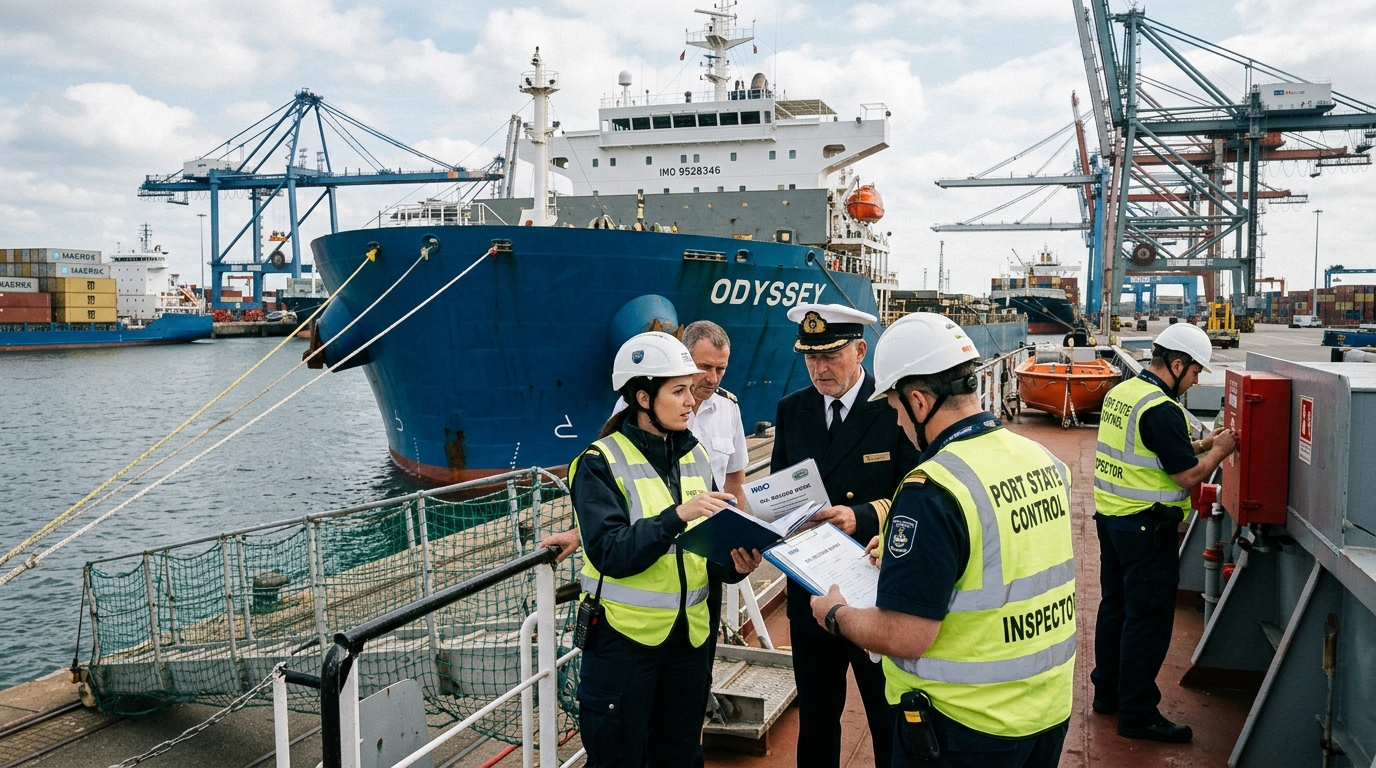
Maritime law is a collection of international agreements, federal laws, and local rules. Because oceans connect different countries, nations had to agree on a universal set of rules to prevent chaos at sea. The International Maritime Organization (IMO) is the United Nations agency responsible for the safety and security of shipping and the prevention of marine and atmospheric pollution by ships.
For recreational and commercial yachts, the rules scale based on the size of the vessel and how far offshore it travels. A small sailing yacht hugging the coastline faces different requirements than a superyacht crossing the Atlantic. However, the core principles remain the same. Having yachting safety standards and regulations explained simply starts with understanding the big three international conventions: SOLAS, COLREGs, and MARPOL. Learn more about The Ultimate Guide to Yacht Entertainment and Luxury Fun at Sea.
SOLAS (Safety of Life at Sea)
The SOLAS convention is historically the most important of all international treaties concerning maritime safety. The first version was adopted in 1914, shortly after the Titanic disaster. It specifies minimum standards for the construction, equipment, and operation of ships, compatible with their safety. For yachts, especially those over 300 gross tons or those operating commercially, SOLAS dictates fire protection requirements, lifesaving appliances, and radio communications. Even if you operate a smaller recreational yacht, adopting SOLAS standards is a smart way to ensure maximum security.
COLREGs (Collision Regulations)
Also known as the “Rules of the Road,” COLREGs define the navigation rules to prevent collisions between two or more vessels. These rules apply to every vessel on the water, from massive cargo ships to small personal watercraft. They dictate who has the right of way, how to overtake another boat, and what lights must be displayed from sunset to sunrise. When getting yachting safety standards and regulations explained simply, mastering COLREGs is absolutely non-negotiable for anyone taking the helm.
MARPOL (Marine Pollution)
Protecting the marine environment is a major focus of modern yachting regulations. MARPOL is the main international convention covering prevention of pollution of the marine environment by ships from operational or accidental causes. It strictly regulates the disposal of garbage, sewage, and oil into the sea. Yachts must carry specific documentation, such as garbage management plans, and use approved sanitation devices to comply with MARPOL.
Essential Safety Equipment for Yachts
A major part of having yachting safety standards and regulations explained simply involves knowing exactly what gear you must carry on board. Equipment requirements generally depend on the size of your yacht and your operational area.
Below is a table summarizing the minimum safety equipment typically required for yachts:
|
Equipment Category |
Specific Item |
Purpose and Requirement |
|---|---|---|
|
Personal Flotation |
Life Jackets (PFDs) |
One approved jacket per person on board, properly sized. |
|
Personal Flotation |
Throwable Device |
At least one life ring or buoyant cushion for immediate rescue. |
|
Visual Distress |
Flares |
Required for day and night signaling in coastal/offshore waters. |
|
Sound Signaling |
Horn or Whistle |
Used to signal intentions or sound the alarm in low visibility. |
|
Fire Protection |
Fire Extinguishers |
Must be marine-type, fully charged, and easily accessible. |
|
Navigation |
Navigation Lights |
Required for operating between sunset and sunrise or in rain/fog. |
|
Medical |
First Aid Kit |
Essential for treating injuries while away from professional care. |
Regular maintenance of this equipment is just as important as having it on board. Flares expire, fire extinguishers lose pressure, and life jackets can degrade. Part of adhering to yachting safety standards and regulations explained simply means conducting regular audits of your safety locker.
Crew Training and Certification
The most sophisticated safety equipment is useless if the crew does not know how to use it. International standards place a heavy emphasis on crew competence. For commercial yachts, the Standards of Training, Certification and Watchkeeping (STCW) convention sets basic requirements on training, certification, and watchkeeping for seafarers on an international level.
Even for private, non-commercial yachts, the person in charge (the captain or skipper) holds legal responsibility for the vessel and its passengers. Basic competency courses, such as those offered by the Royal Yachting Association (RYA) or the American Sailing Association (ASA), are highly recommended. These courses cover navigation, meteorology, and emergency procedures.
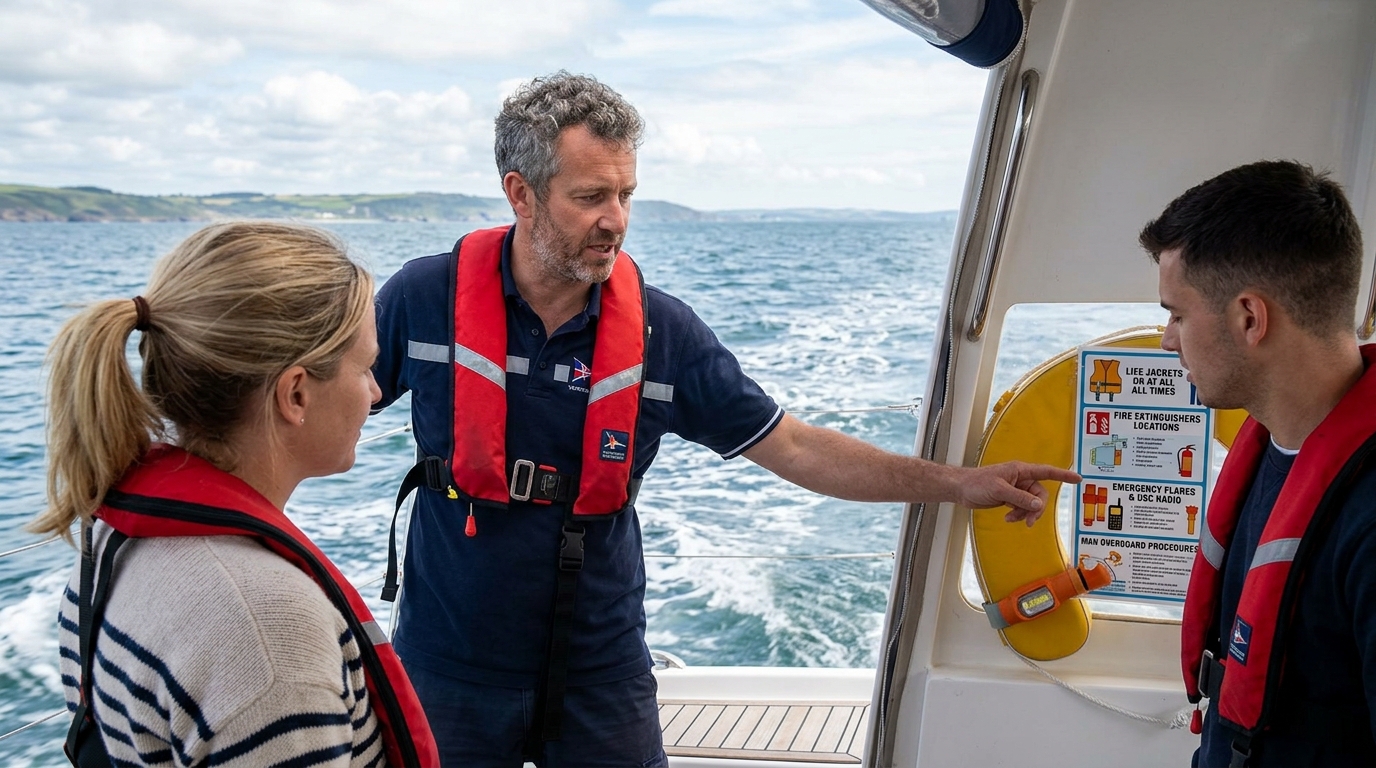
Having yachting safety standards and regulations explained simply also means understanding the importance of passenger briefings. Before leaving the dock, the captain must show all guests where the life jackets are stored, how to use the marine toilet properly (to avoid MARPOL violations), and what to do in case of a fire or a man overboard situation.
Maintaining Your Vessel to Legal Standards
Boat maintenance is a legal requirement as well as a practical necessity. Regulatory bodies require vessels to be seaworthy before they undertake a voyage. This means the hull must be sound, the engines reliable, and the steering mechanisms fully operational.
Yachts over a certain size often require regular surveys by classification societies (like Lloyd’s Register or the American Bureau of Shipping) to maintain their insurance and legal registration. These surveyors inspect the structural integrity and safety systems of the yacht. When you want yachting safety standards and regulations explained simply, you can think of a marine survey as an incredibly thorough MOT or car inspection, designed to ensure the vessel can withstand the harsh marine environment.
Weather Planning and Voyage Safety
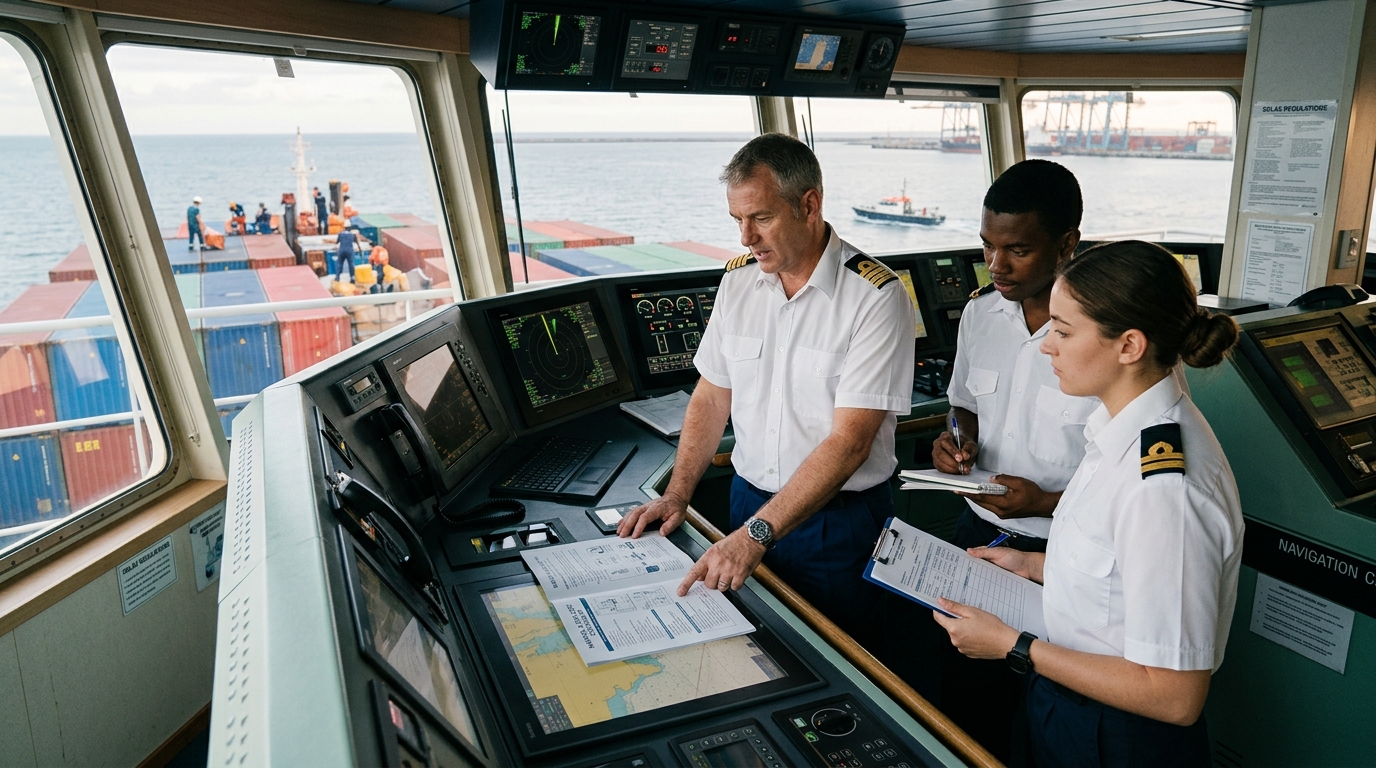
Weather awareness is a critical part of safe yachting operations. Before setting sail, captains must check marine weather forecasts, wind patterns, and tide conditions to ensure safe navigation. Sudden weather changes at sea can create dangerous waves, reduced visibility, and strong currents that challenge even experienced crews. Modern yachts often use digital navigation systems that provide real-time weather updates, but traditional barometric readings and radio forecasts remain important backups. Understanding weather patterns helps in route planning, fuel management, and emergency preparedness. Ignoring weather conditions is one of the leading causes of maritime accidents, making this step essential for compliance and safety.
Emergency Response and Man Overboard Procedures
Emergency preparedness is a core requirement in yachting safety regulations. Every yacht must have clear procedures for fire, collision, flooding, and man overboard situations. A man overboard drill is especially important, as quick response time can save lives in open water. Crew members must know how to deploy lifebuoys, activate alarms, and maintain visual contact with the person in the water. Communication through VHF radio and distress signals is also essential. Regular emergency drills ensure everyone on board understands their role under pressure. Proper preparation significantly increases survival chances and is a legal expectation under international maritime safety standards.
Frequently Asked Questions About Yacht Compliance
To further clarify this topic, here are 10 detailed FAQs that provide yachting safety standards and regulations explained simply.
1. Do I need a license to drive a yacht?
The requirement for a license depends entirely on the jurisdiction where you are boating and the size of your vessel. In many European countries, an International Certificate of Competency (ICC) is required. In the United States, requirements vary by state, but most require a boater education card. For large yachts or commercial operations, professional maritime licenses (like a Captain’s ticket) are strictly mandated.
2. How many life jackets am I required to carry?
You must carry at least one Coast Guard-approved (or equivalent international standard) personal flotation device (PFD) for every single person on board. Additionally, the life jackets must be the correct size for the wearers, meaning you must have specific child-sized PFDs if children are on board. They must also be readily accessible, not locked away in a difficult-to-reach compartment.
3. What are the rules for dumping trash overboard?
Under MARPOL regulations, it is illegal to dump plastic of any kind into the ocean, anywhere in the world. The dumping of other types of garbage, such as food waste, is strictly regulated and usually only permitted when the yacht is a specified distance offshore (often more than 12 nautical miles). Yachts must carry a garbage management plan and display placards detailing these rules.
4. What is a safety management system (SMS)?
An SMS is a structured, documented system that helps yacht crew effectively implement the owner’s safety and environmental protection policies. It is required for commercial yachts over 500 gross tons under the International Safety Management (ISM) Code. It includes emergency procedures, reporting mechanisms for accidents, and maintenance schedules.
5. How often do my safety flares expire?
Marine pyrotechnic distress flares typically expire 42 months (3.5 years) from the date of manufacture. It is a legal violation to rely on expired flares as part of your required safety equipment. You must check the dates regularly and dispose of expired flares safely through local coast guard or fire department hazardous waste programs.
6. Are EPIRBs mandatory for recreational yachts?
An Emergency Position Indicating Radio Beacon (EPIRB) is not always legally mandatory for small recreational yachts staying close to shore. However, for yachts traveling offshore or undertaking ocean crossings, they are heavily regulated and often mandatory. Even when not required by law, having yachting safety standards and regulations explained simply highlights that an EPIRB is one of the most vital pieces of survival gear you can own.
7. What happens if I ignore maritime collision rules (COLREGs)?
Ignoring COLREGs can lead to devastating collisions. Legally, if you are found to have violated the Rules of the Road and caused an accident, you can be held entirely liable for property damage, injuries, or loss of life. This can result in severe financial penalties, loss of insurance coverage, and even criminal prosecution.
8. Can I drink alcohol while operating a yacht?
Operating a yacht under the influence of alcohol is illegal and highly dangerous. Maritime authorities enforce strict blood alcohol concentration (BAC) limits for vessel operators, which are often similar to or stricter than those for driving a car. Passengers can drink, but the captain must remain sober to ensure the safety of the vessel.
9. What is the difference between private and commercial yacht regulations?
Private yachts are used solely for the recreational purposes of the owner and their non-paying guests. Commercial yachts are chartered for financial gain. Commercial yachts face much stricter regulatory scrutiny, including mandatory surveys, higher safety equipment standards, and professional licensing requirements for the crew.
10. How do I ensure my radio communications are compliant?
To operate a VHF marine radio, the operator often needs a basic radio operator’s license, and the vessel itself needs a ship station license. Furthermore, you must monitor specific emergency channels (like Channel 16) while underway. Understanding radio etiquette and distress signaling is a core component of having yachting safety standards and regulations explained simply.
Setting Sail with Confidence and Compliance
Understanding the law of the sea does not have to be an intimidating process. By breaking down the complex jargon and looking at the practical applications, you can easily ensure your vessel is fully compliant. Always remember that these rules are not designed to restrict your freedom on the water; they are designed to guarantee that you return to port safely after every voyage.
Keep your safety equipment well-maintained, educate your crew, and stay updated on international and local maritime laws. By keeping yachting safety standards and regulations explained simply in your mind, you can focus on the pure joy of sailing, knowing you are well-prepared for whatever the ocean brings your way. For more detailed assistance, consider consulting a certified marine surveyor or maritime attorney to audit your vessel’s compliance before your next major expedition.
